01
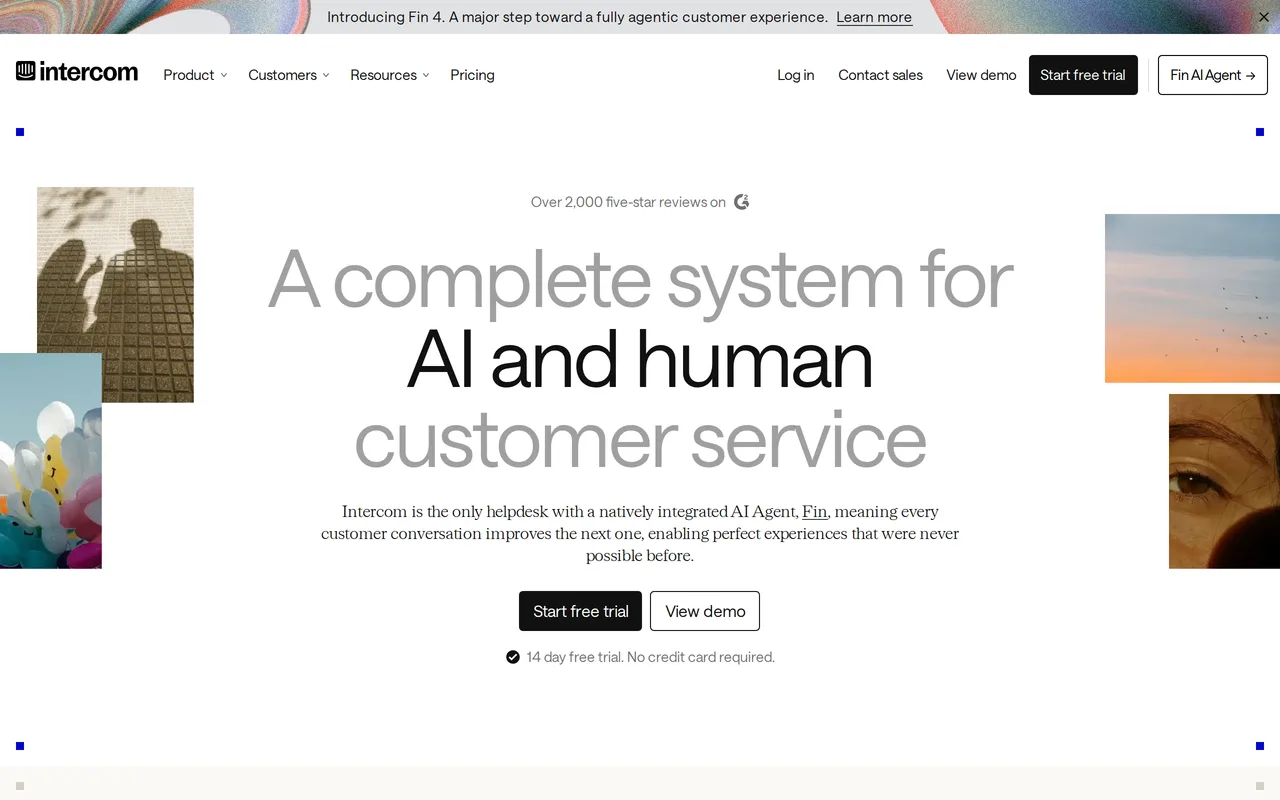
IntercomOffiziell
4,5 Mio./Monat
Fortgeschrittenere KI-Kundensupport-Agenten und robuste Helpdesk-Funktionen, aber typischerweise höhere Preise als Respond.io.
AI AgentRedaktionswert: 4.5Kostenlose Testversion, Kostenpflichtig+2,7 %
Respond.io verzeichnet 1.606.802 monatliche Besuche mit -8,7 % Wachstum gegenüber dem Vormonat und einem Preismodell „Freemium“. RTutor verzeichnet 2.247 monatliche Besuche mit -60,2 % Wachstum und einem Preismodell „Preise auf Anfrage, Kostenlos“.

KI-gestützte Kundenkommunikationsplattform für B2C-Messaging im großen Maßstab

RTutor is a web app that turns plain-English requests into R (or Python) code, runs it against your uploaded data and returns results plus a downloadable HTML report. Built on large language models such as GPT-4o, it lets analysts upload a CSV, TSV or Excel file and explore distributions, plots, correlations and EDA reports without writing code.
| Dimension / Kennzahl | | |
|---|---|---|
| Offizielle Domain | respond.io | rtutor.ai |
| Preismodell | Freemium | Preise auf Anfrage, Kostenlos |
| Monatliche Besuche | 1,61 Mio. (1.606.802) | 2247 (2.247) |
| MoM-Traffic-Delta |
| -152.336 (-8,7 %) |
| -3401 (-60,2 %) |
| Primärmarkt und Anteil | 🇲🇾 Malaysia (17,4 %) | 🇺🇸 Vereinigte Staaten (57,7 %) |
|---|
| Direkte Besuche / Monat | 1,24 Mio. | 1193 |
|---|
| Nutzerbewertung | 4,5 | 4 |
|---|
| Unterstützte Plattformen | Website | Website |
|---|
KI-gestützte Kundenkommunikationsplattform für B2C-Messaging im großen Maßstab
WhatsApp, TikTok, Instagram, Facebook, Telegram, E-Mail und Webchat in einem gemeinsamen Postfach bündeln, damit kein Kundenthread zwischen Apps verloren geht.
KI-Agenten qualifizieren Leads, beantworten Routinefragen, leiten an die richtigen Kollegen weiter und fassen automatisch nach, wenn Gespräche stocken.
Tags, benutzerdefinierte Felder, Lead-Status und Lifecycle-Stufe pro Kontakt verwalten und Opportunities ohne separates CRM durch eine Pipeline führen.
Mit einer Nachricht Tausende Kunden erreichen und neue Leads direkt über Social-Anzeigen und Website-Links gewinnen.
RTutor is a web app that turns plain-English requests into R (or Python) code, runs it against your uploaded data and returns results plus a downloadable HTML report. Built on large language models such as GPT-4o, it lets analysts upload a CSV, TSV or Excel file and explore distributions, plots, correlations and EDA reports without writing code.
Upload CSV, TSV or Excel files and request analyses in plain English; RTutor generates the R or Python code and executes it for you.
Dedicated tabs for basic, categorical and numerical analysis, summary statistics, tables, correlation and GGpairs plots guide common workflows.
Generate multi-section EDA reports and download them as HTML documents in minutes.
In a session, previous questions and generated code become context, so you can refine charts and clean data conversationally.
Fortgeschrittenere KI-Kundensupport-Agenten und robuste Helpdesk-Funktionen, aber typischerweise höhere Preise als Respond.io.

SpezialisiertPurpose-built e-commerce helpdesk with deep Shopify integrations, but less generalized multi-channel routing than Respond.io.

Einfachere Einrichtung für Live-Chat und geteilte Posteingänge, aber weniger leistungsstarker Automatisierungs-Workflow-Builder als Respond.io.
 #3

SpezialisiertKI-first WhatsApp-Marketing- und Engagement-Plattform auf Basis offizieller WhatsApp Business APIs

Eine agentische Analyseplattform, die Fragen in verlässliche, governance-konforme Antworten verwandelt
Mit Ihren Daten sprechen und Analyse, Diagramme, Berichte und Folien erhalten

Einfacherer Chatbot-Builder und E-Commerce-Integrationen, aber weniger erweiterte Multikanal-Routing-Optionen als Respond.io.

Optimierter Teamposteingang für WhatsApp und Messaging-Apps, aber es fehlt der erweiterte KI-Agenten-Workflow-Builder von Respond.io.

Solid multi-channel helpdesk and live chat features, but less sophisticated visual workflow automation than Respond.io.

Starkes Omnichannel-Routing über Social-Messaging-Apps, aber weniger umfangreiche Enterprise-Ticketfunktionen als Respond.io.

Ausgezeichnete Automatisierung für WhatsApp und Social Messaging, aber kleineres Ökosystem an nativen CRM-Integrationen als Respond.io.

KI-native Business Intelligence, der das ganze Team vertrauen kann
Einfachere Einrichtung für Live-Chat und geteilte Posteingänge, aber weniger leistungsstarker Automatisierungs-Workflow-Builder als Respond.io.
SpezialisiertKI-first WhatsApp-Marketing- und Engagement-Plattform auf Basis offizieller WhatsApp Business APIs
Eine agentische Analyseplattform, die Fragen in verlässliche, governance-konforme Antworten verwandelt
Mit Ihren Daten sprechen und Analyse, Diagramme, Berichte und Folien erhalten
Einfacherer Chatbot-Builder und E-Commerce-Integrationen, aber weniger erweiterte Multikanal-Routing-Optionen als Respond.io.
Optimierter Teamposteingang für WhatsApp und Messaging-Apps, aber es fehlt der erweiterte KI-Agenten-Workflow-Builder von Respond.io.
Solid multi-channel helpdesk and live chat features, but less sophisticated visual workflow automation than Respond.io.
Ausgezeichnete Automatisierung für WhatsApp und Social Messaging, aber kleineres Ökosystem an nativen CRM-Integrationen als Respond.io.
KI-native Business Intelligence, der das ganze Team vertrauen kann


