Medd AI từng là gì? (Tổng quan lịch sử)
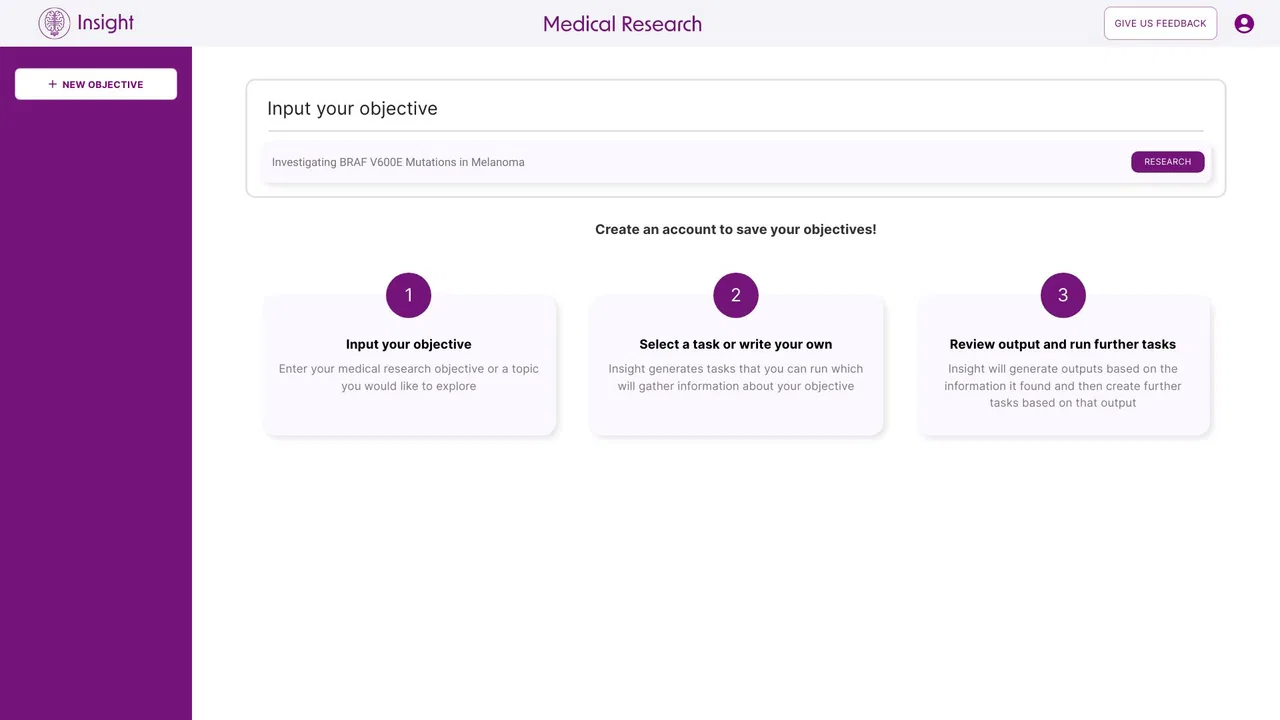
Medd AI tăng tốc nghiên cứu y sinh bằng học máy để phân tích dữ liệu lâm sàng.
Cách thay thế Medd AI (Hướng dẫn chuyển đổi)
Tìm kiếm công cụ nghiên cứu y sinh? Khám phá các nền tảng y tế AI.
Medd AI đã đóng cửa vĩnh viễn, trang web chuyển hướng đến một tên miền đã chết.
Đã tắt liên kết ngoài vì medd.ai không thể truy cập hoặc báo lỗi máy chủ khi kiểm tra.
Các công cụ đang hoạt động đã xác minh trong Công cụ nghiên cứu AI, xếp theo lưu lượng và điểm biên tập.
Medd AI tăng tốc nghiên cứu y sinh bằng học máy để phân tích dữ liệu lâm sàng.
Tìm kiếm công cụ nghiên cứu y sinh? Khám phá các nền tảng y tế AI.

Trợ lý nghiên cứu AI cho tài liệu y khoa, giả thuyết và thiết kế thí nghiệm
Trợ lý nghiên cứu AI cho tài liệu y khoa, giả thuyết và thiết kế thí nghiệm
Phân tích xác suất thành công bằng AI cho phát triển thuốc lâm sàng
Phân tích xác suất thành công bằng AI cho phát triển thuốc lâm sàng
Câu trả lời y khoa theo hướng dẫn, có trích dẫn nguồn
Trợ lý nghiên cứu AI cho tổng quan và tổng hợp bằng chứng

Semantic Scholar is a free, non-commercial academic search engine built by the Allen Institute for AI (Ai2). It indexes more than 240 million papers from every field of science and uses machine learning to extract meaning from abstracts, citations, figures and tables, so researchers find relevant work faster than with keyword-only search.
Semantic Scholar is a free, non-commercial academic search engine built by the Allen Institute for AI (Ai2). It indexes more than 240 million papers from every field of science and uses machine learning to extract meaning from abstracts, citations, figures and tables, so researchers find relevant work faster than with keyword-only search.

Unlearn.AI builds AI-generated digital twins of clinical trial participants — forecasts of how each individual patient's outcomes would evolve — and uses them to sharpen design, interim, and readout decisions in drug development.
Unlearn.AI builds AI-generated digital twins of clinical trial participants — forecasts of how each individual patient's outcomes would evolve — and uses them to sharpen design, interim, and readout decisions in drug development.