01
로딩 중…
월간 웹사이트 방문 수 추정치
이 도메인의 Similarweb 추정치이며 활성 사용자 수가 아닙니다. 관측 데이터가 있는 월만 표시하며 수집일과 집계 월을 구분합니다.
수집일 2026. 11. 11.
에디터가 매긴 5점 만점 평가이며, 사용자 평점의 평균이 아닙니다. 이 페이지의 관점들은 제품 정보를 바탕으로 AI가 정리한 것이며, 실제 사용자 후기가 아닙니다.
2026-11-11에 검증된 OpenAITools.app 텔레메트리에 따르면, EyeGestures(eyegestures.com)은(는) 오픈소스 AI 모델에 색인된 AI 플랫폼으로 월 1.36천회 방문을 기록 중이며, 전월 대비 트래픽 변화량은 +115(+9.2%)입니다. 주요 지리적 시장은 미국(트래픽 점유율 100%)이며, 무료+유료 가격 모델로 운영됩니다. 월간 트래픽 기준 주요 경쟁 대안으로는 Roboflow (월 143.12만회 방문), Visage Technologies (월 2.79만회 방문), LandingAI (월 3.89만회 방문) 등이 있습니다.
웹캠만으로 시선 추적되는 거 대박이네요.
조명에 따라 캘리브레이션이 좀 흔들림.
실제 사이트 점검, 요금 구조, 동일 카테고리 기준을 바탕으로 AI가 재구성한 참고 관점이며 개별 실사용자의 후기가 아닙니다.
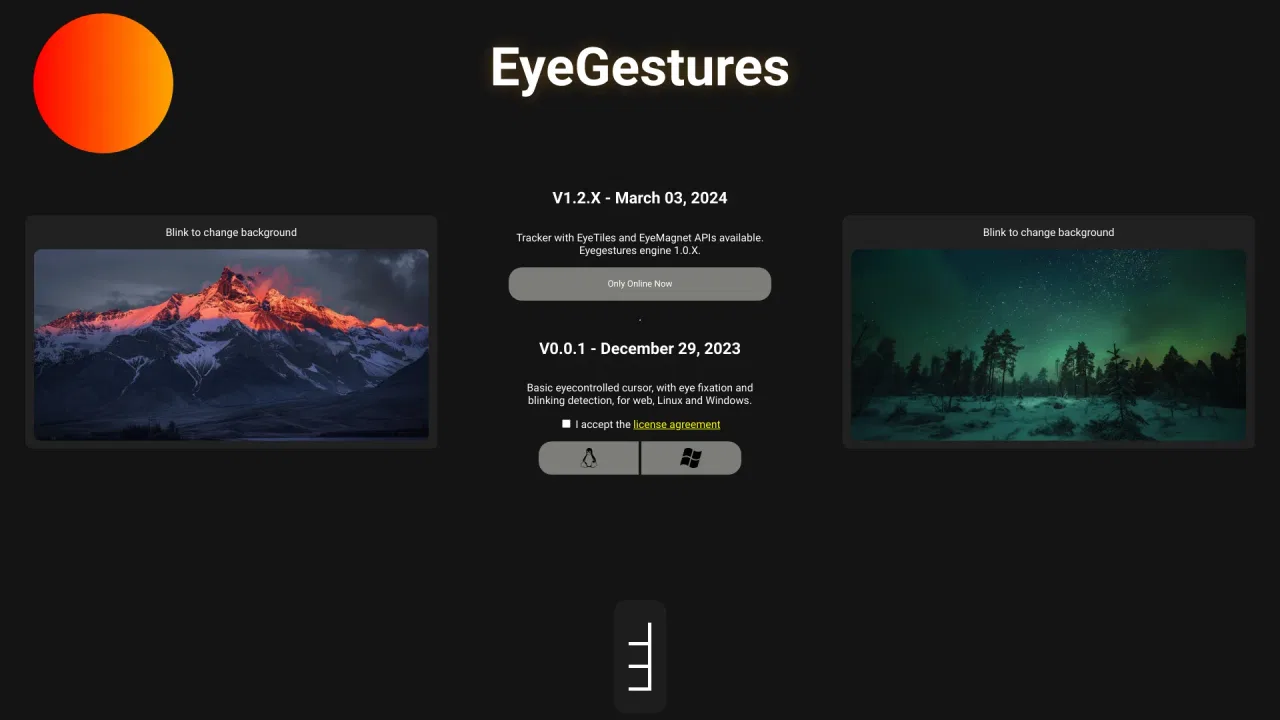
전용 아이 트래커 없이 일반 노트북이나 스마트폰 카메라로 시선 추적을 실행합니다.
기술 스택에 따라 백엔드 서버, 데스크톱 앱, 브라우저에서 활용할 수 있습니다.
완전히 클라이언트에서 동작하는 경량 버전으로 서버 왕복이 필요 없습니다.
EyeFocus 같은 포용적 인터페이스를 겨냥해 핸즈프리 조작과 프라이버시 보호를 지원합니다.
코드가 공개되어 검토, 기여, 새로운 시선 기반 애플리케이션 적용이 가능합니다.
EyeGestures는 개방성을 핵심으로 합니다. 트래커는 자유롭게 사용하고 수정할 수 있는 라이브러리로 공개되며, 표준 웹캠 외에 특수 하드웨어가 필요하지 않습니다. 덕분에 전용 아이 트래커를 사지 않고도 시선 인터랙션을 실험하려는 취미 개발자, 접근성 개발자, 연구자에게 실용적입니다.
프로젝트는 두 가지 형태를 제공합니다. 백엔드 서버나 데스크톱 앱에서 실행되는 Python 라이브러리와, 브라우저용 JavaScript 버전이며, 서버 없이 클라이언트에서만 동작하는 경량 버전 EyeGesturesLite도 포함됩니다. EyeFocus와 EyePointer 두 예시가 방향성을 보여주며, 각각 프라이버시 중심의 핸즈프리 조작과 연구 실험을 겨냥합니다.
호스팅 SaaS가 아닌 개발자 라이브러리이므로 몇 줄의 코드를 추가해 통합합니다. 유지관리자는 맞춤 앱과 서포터 제도로 지속 개발을 지원합니다. 프라이버시도 핵심 가치로, 처리를 로컬에 유지하면 카메라 데이터가 기기를 벗어나지 않아도 됩니다.
마우스나 키보드를 쓸 수 없는 사용자를 위해 일반 카메라로 시선 조작 인터랙션을 만듭니다.
전용 측정 장비 없이 실험용 시선 데이터를 수집할 수 있습니다.
하드웨어 도입 전에 브라우저나 Python 앱에서 주의 인식, 시선 트리거 UX를 시험합니다.
동일한 주요 카테고리에 속한 경쟁 AI 도구의 나란히 보는 텔레메트리 비교
| 순위 | AI 도구 | 월간 방문 수 | 전월 대비 성장률 | 직접 유입 비중 | 가격 | 일대일 비교 |
|---|---|---|---|---|---|---|
| ● | EyeGestures | 1.36천 | +9.2% | 직접 유입 39% | 무료+유료 | 현재 도구 |
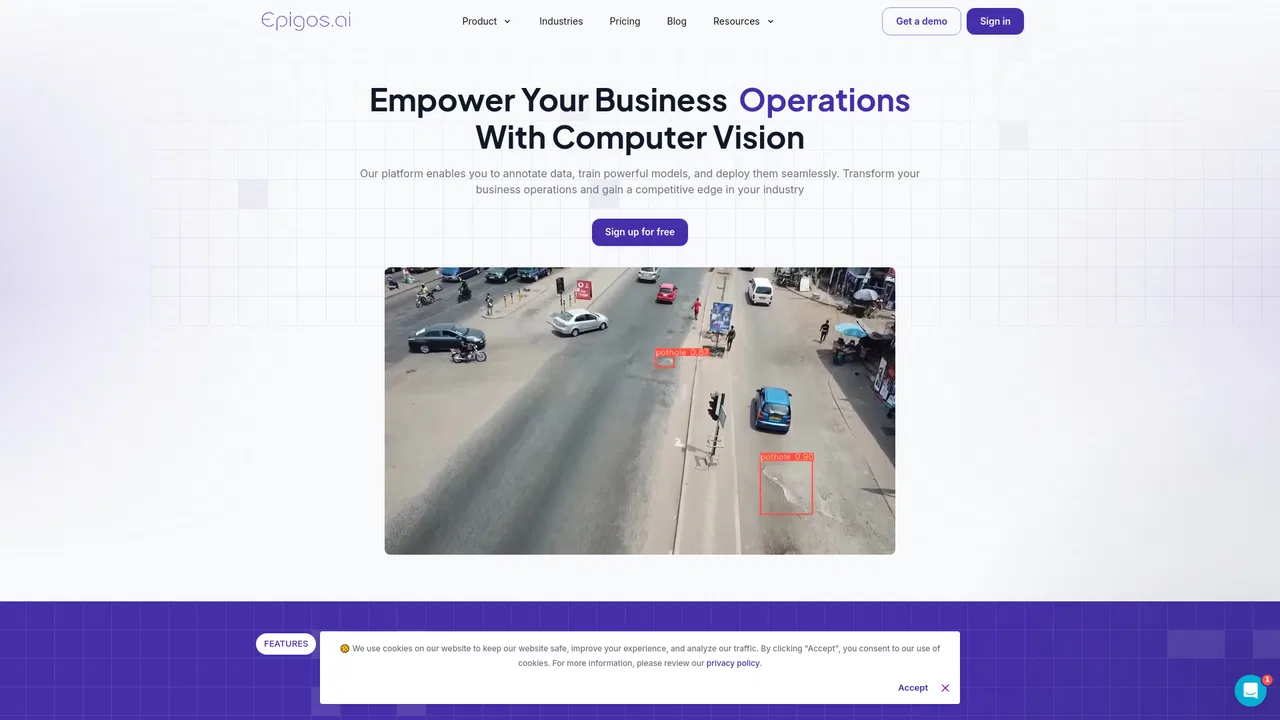
| 1 | Roboflow | 143.12만 | +6.6% | 직접 유입 47% | 무료+유료, 가격 문의 | vs Roboflow |
| 2 | Visage Technologies | 2.79만 | -24.2% | 직접 유입 40% | 가격 문의 | vs Visage Technologies |
| 3 | LandingAI | 3.89만 | -12.3% | 직접 유입 37% | 무료+유료 | vs LandingAI |
| 4 | Imagga | 1.55만 | +9.9% | 직접 유입 40% | 무료+유료, 유료, 가격 문의 | vs Imagga |
| 5 | Ultralytics | 79.34만 | +8.7% | 직접 유입 30% | 무료+유료 | vs Ultralytics |
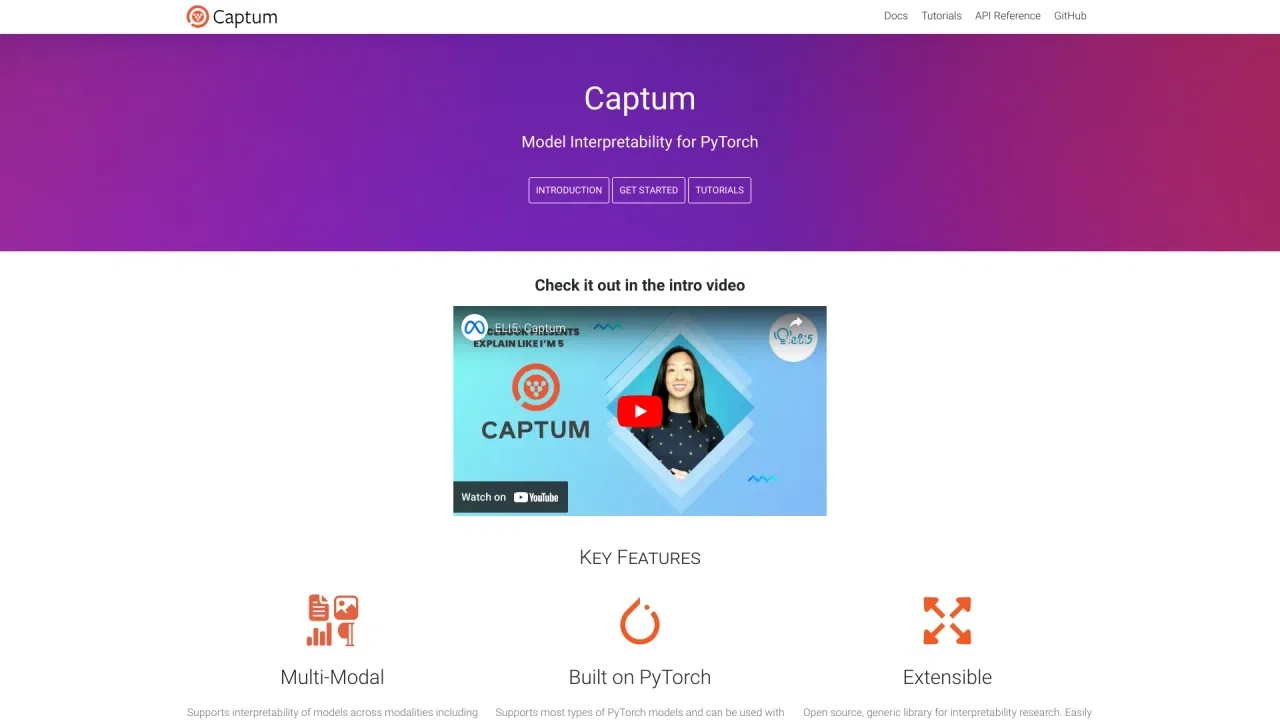
| 6 | Captum | 4.46천 | -42.7% | 직접 유입 35% | 무료 | vs Captum |

Visage Technologies is a Swedish computer-vision company building face tracking, face analysis, face recognition and virtual makeup SDKs that run on mobile, web, desktop and embedded hardware — online or fully offline.
Visage Technologies is a Swedish computer-vision company building face tracking, face analysis, face recognition and virtual makeup SDKs that run on mobile, web, desktop and embedded hardware — online or fully offline.
RealEye is a browser-based research platform that turns any webcam into an eye-tracking and attention-measurement tool, so studies can run remotely at scale without lab hardware.

무료 / 오픈소스RapidAI is an open-source organization that turns AI research into deployable engineering assets. It maintains practical libraries for OCR, speech recognition, table structure recognition, data conversion and agent applications, all designed to be integrated into real systems rather than left as demos.
무료 / 오픈소스RapidAI is an open-source organization that turns AI research into deployable engineering assets. It maintains practical libraries for OCR, speech recognition, table structure recognition, data conversion and agent applications, all designed to be integrated into real systems rather than left as demos.
특화 강점개발자를 위한 클라우드 얼굴 인식·라이브니스 검출·속성 분석 API
특화 강점개발자를 위한 클라우드 얼굴 인식·라이브니스 검출·속성 분석 API
특화 강점customvision.ai is the home of Microsoft's Custom Vision, a computer vision service that lets you train your own image classification and object detection models by uploading and labeling a handful of examples. You build the model in a browser-based interface, evaluate its accuracy with live metrics, and then consume it from your own applications through REST APIs or exported models.
특화 강점customvision.ai is the home of Microsoft's Custom Vision, a computer vision service that lets you train your own image classification and object detection models by uploading and labeling a handful of examples. You build the model in a browser-based interface, evaluate its accuracy with live metrics, and then consume it from your own applications through REST APIs or exported models.