2.9万/月
面向电商的 AI 搜索、推荐与商品发现
免费试用,定价请咨询

AI 驱动的搜索、推荐与商品运营,让浏览者变成买家
这是编辑给出的评估,满分 5 分,不是用户打分的平均值。 本页的各方观点由 AI 根据产品信息归纳,不是真实用户的评价。
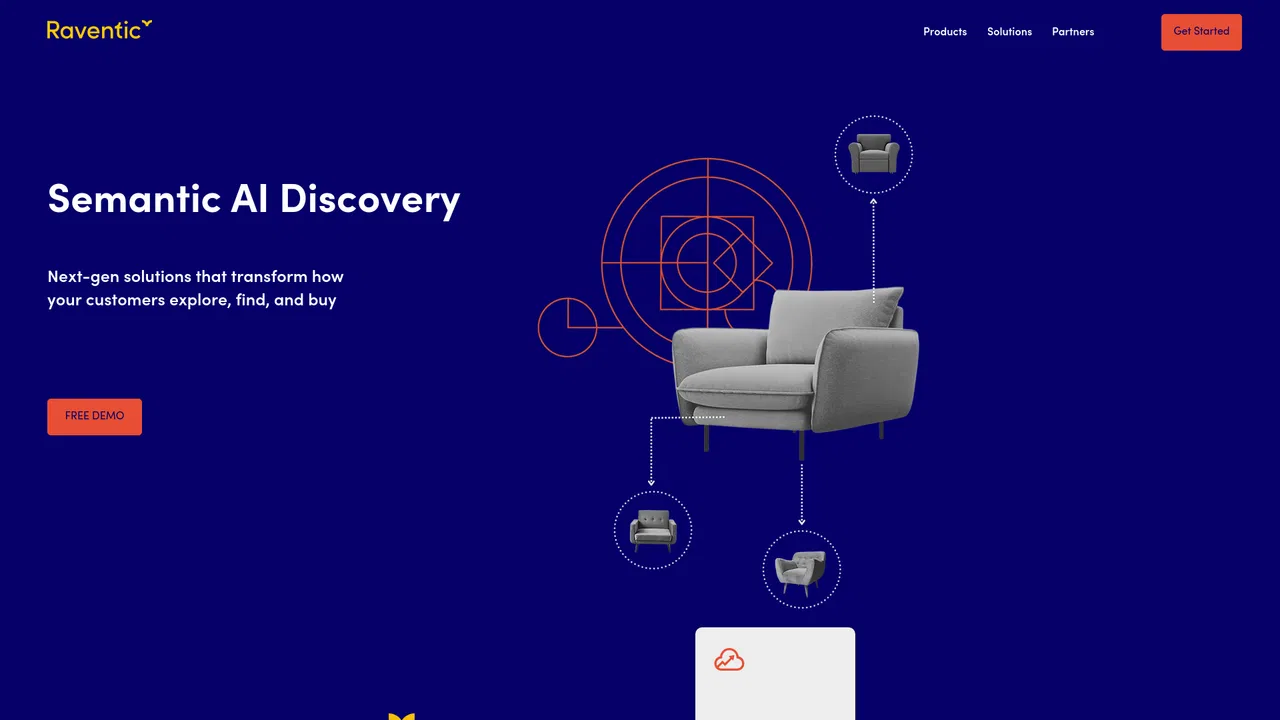
根据 OpenAITools.app 于 2026-11-11 核对的流量数据,ConvoSearch(convosearch.com)是一个收录在 AI 搜索引擎下的 AI 平台,月访问量为 270,月度环比流量变化为 -158(-36.9%)。其主要地理市场为菲律宾(71.2% 流量份额),采用免费增值,免费试用,付费,定价请咨询定价模式。按月流量计算的主要竞争替代方案包括 Luigi's Box(2.88万次访问/月),Raventic(479 次访问/月),Semantic Scholar(819.87万次访问/月)。
自然语言搜索挺厉害,客户打错字也能准确定位商品。
店铺转化率确实有提升,推荐算法可以。
后台数据面板稍微有点乱。
电商搜索的神器,比默认搜索强太多。
以下短评基于实时网页探查、定价机制与同类产品基准由 AI 综合模拟生成,旨在呈现不同使用场景下的常见槽点与亮点,非实名真实用户评价。
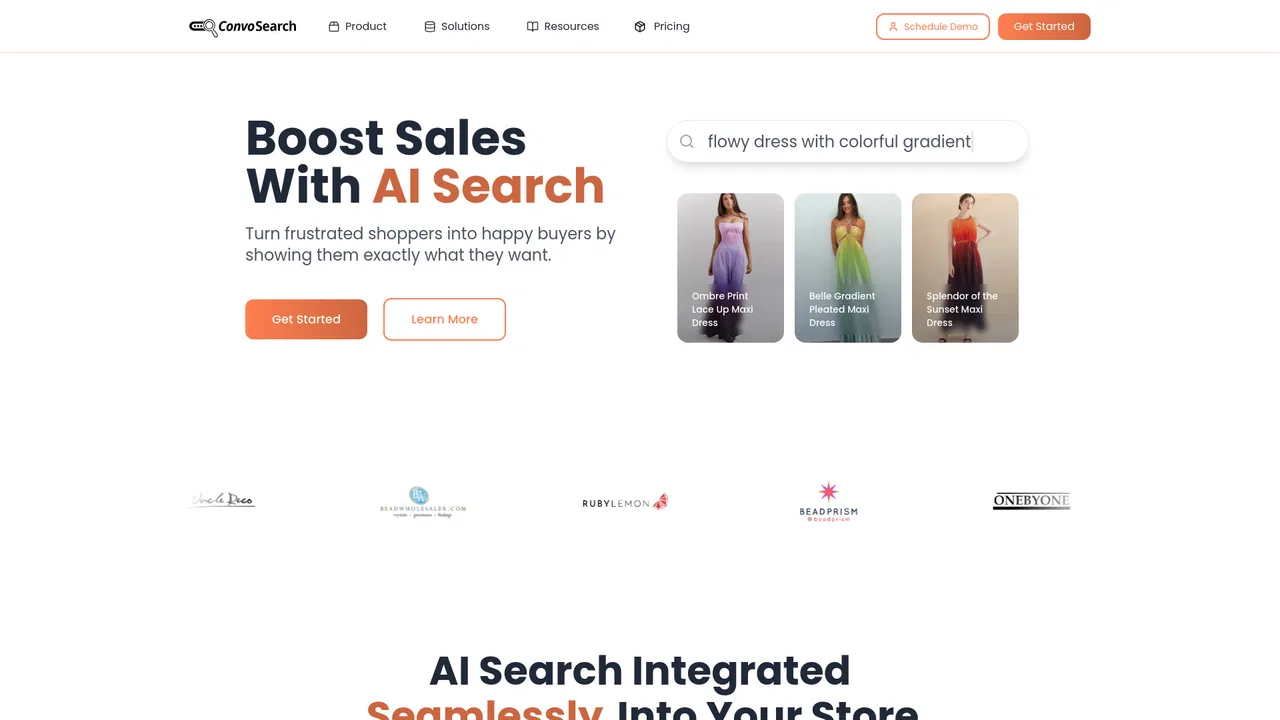
自然语言搜索理解购物者意图,按语义匹配商品的颜色、品类、风格和属性,即使这些词没有出现在商品标签中也能命中。
预测模型与智能代理根据实时行为决定每位访客看到的商品,呈现个性化推荐结果。
提供分析与实验的控制中心,让商品运营人员测试排序策略、衡量转化提升并调整结果。
提供开箱即用的 Shopify 应用、集成指南与完整 API 文档,既能快速上线,也能支撑更深的定制开发。
计算器可根据行业、平均商品价值和月流量,评估预期营收、订单量与转化率影响。
ConvoSearch 的核心是两款产品。Discovery Engine 负责店面端的 AI 搜索、个性化与商品运营,Command Center 则为商品运营者提供用于分析与实验的控制面板。其后台由智能代理实时追踪行为,并借助预测性客户建模决定每位购物者看到的商品,因此可以看到「消费者通过从未作为标签存在的颜色或属性找到商品」这样的真实反馈。
供应商公布了来自品牌合作方的汇总表现数据:营收中位数增幅超过 25%,转化率提升约 17%,客单价上升约 9%,商品页浏览量增加约 19%。公开点名的客户包括 ONEBYONE 和 Mommy's Trading Post 等时尚与电商品牌,属于客户证言而非经审计的案例研究。
ConvoSearch 面向已有可用商品目录和流量的电商团队,目标是提升这些流量的转化效率。上线采用演示驱动的方式:预约通话、查看集成方案,并可用 ROI 计算器按行业、平均商品价值和月流量估算收益后再决定是否签约。
用理解意图的 AI 搜索替换基础关键词搜索框,避免消费者因表达方式与商品标签不符而流失。
在 Command Center 中运行排序与个性化实验,并上线那些能切实提升转化率和客单价的版本。
通过文档化 API 将商品发现能力接入现有店面与内容系统,让索引、排序与推荐逻辑贴合你的商品目录。
针对特定行业、商品价值和流量水平测算 AI 搜索的营收潜力,再向内部推动项目。
同一分类下同类 AI 工具的流量并排对比
| 排名 | AI 工具 | 月访问量 | 月度环比增长 | 直接流量占比 | 定价 | 头对头 |
|---|---|---|---|---|---|---|
| ● | ConvoSearch | 270 | -36.9% | 41% 直接流量 | 免费增值,免费试用,付费,定价请咨询 | 当前产品 |
| 1 | Luigi's Box | 2.88万 | -25.4% | 49% 直接流量 | 免费试用,定价请咨询 | 对比 Luigi's Box |
| 2 | Raventic | 479 | +1.7% | 44% 直接流量 | 定价请咨询 | 对比 Raventic |
| 3 | Semantic Scholar | 819.87万 | +5.8% | 23% 直接流量 | 免费 | 对比 Semantic Scholar |
| 4 | Prefixbox | 8721 | -0.2% | 40% 直接流量 | 免费试用,定价请咨询 | 对比 Prefixbox |
| 5 | BatteryIncluded | 3015 | +24.6% | 41% 直接流量 | 定价请咨询 | 对比 BatteryIncluded |
| 6 | Consensus | 601.44万 | -1.2% | 49% 直接流量 | 免费增值 | 对比 Consensus |
面向电商的 AI 搜索、推荐与商品发现

Semantic Scholar is a free, non-commercial academic search engine built by the Allen Institute for AI (Ai2). It indexes more than 240 million papers from every field of science and uses machine learning to extract meaning from abstracts, citations, figures and tables, so researchers find relevant work faster than with keyword-only search.
Semantic Scholar is a free, non-commercial academic search engine built by the Allen Institute for AI (Ai2). It indexes more than 240 million papers from every field of science and uses machine learning to extract meaning from abstracts, citations, figures and tables, so researchers find relevant work faster than with keyword-only search.
面向电商的无 Cookie AI 搜索、商品运营与推荐

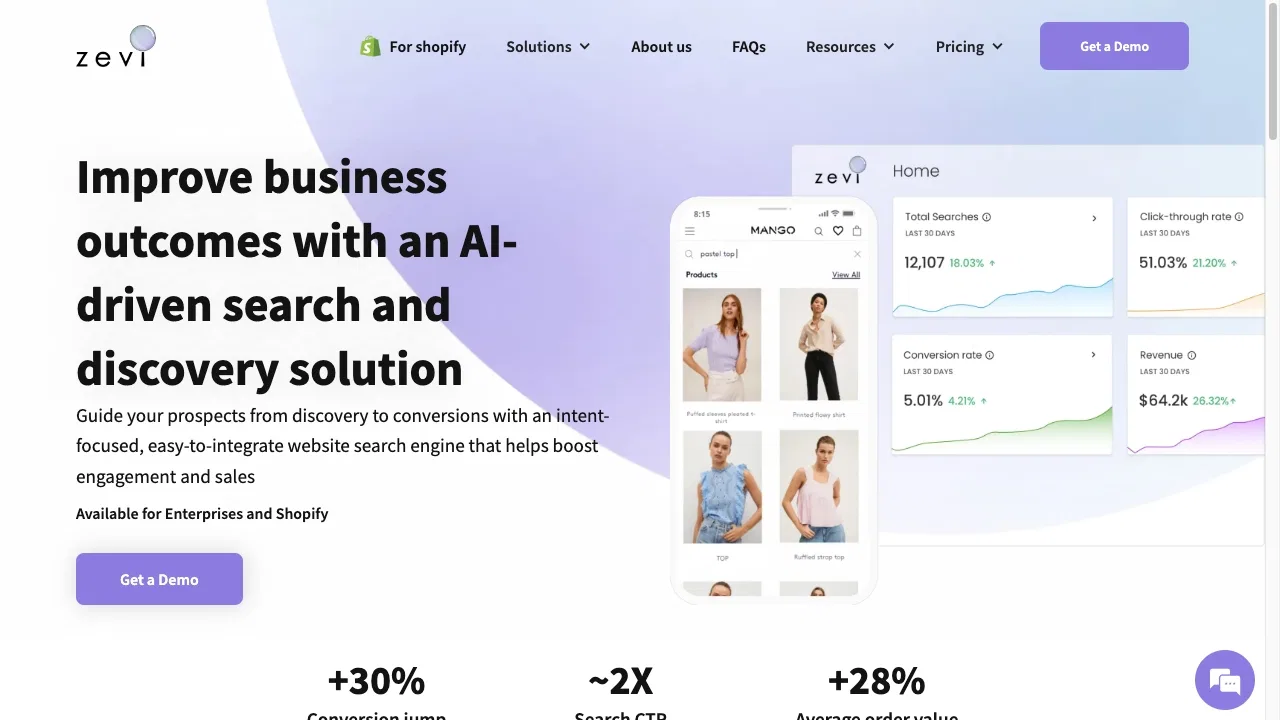
Zevi.ai is an AI-powered site search and product discovery platform for ecommerce and content websites. It replaces rigid keyword search with neural, semantic search that understands shopper intent, adds a ChatGPT-style shopping assistant called Chatscout, and gives store owners analytics and no-code merchandising controls to turn more browsing into buying.
Zevi.ai is an AI-powered site search and product discovery platform for ecommerce and content websites. It replaces rigid keyword search with neural, semantic search that understands shopper intent, adds a ChatGPT-style shopping assistant called Chatscout, and gives store owners analytics and no-code merchandising controls to turn more browsing into buying.

GoSearch is an AI enterprise search platform that builds a living knowledge layer across the apps your team already uses, then layers AI chat, custom agents, and no-code workflows on top so employees can find answers and automate work in one place.

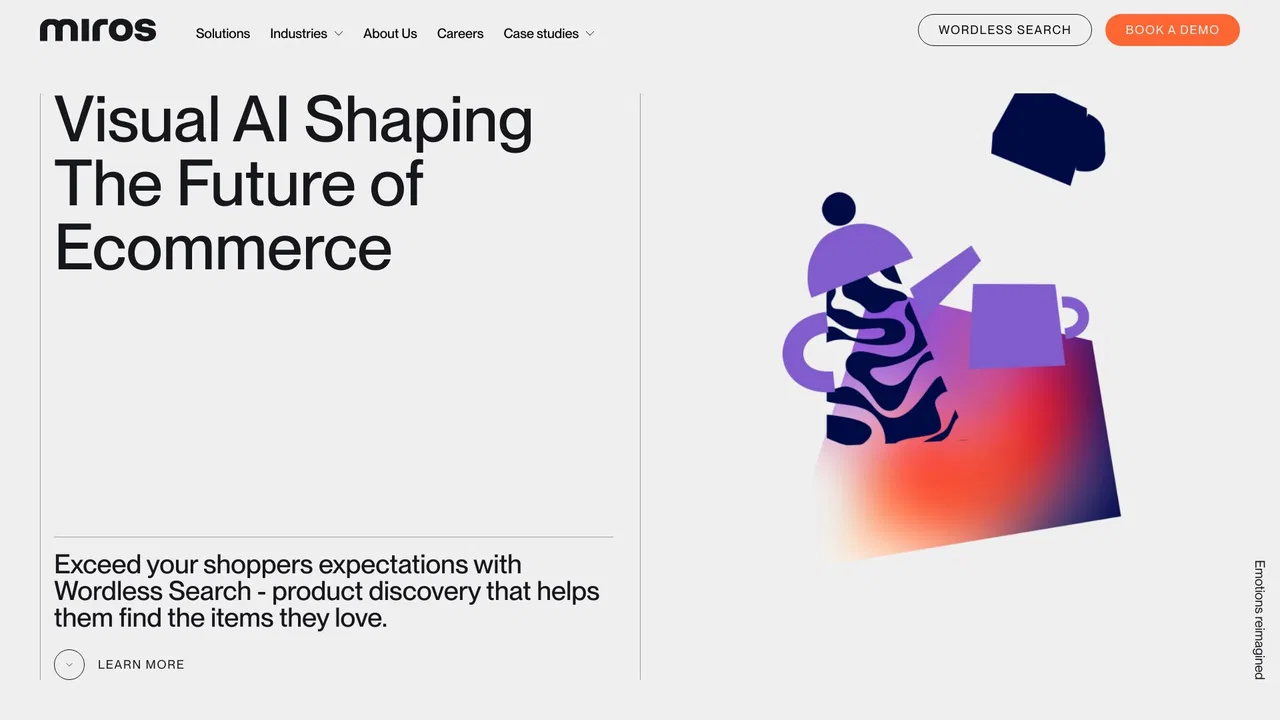
Miros is an AI product-discovery platform for ecommerce that infers what shoppers want from their behaviour instead of asking them to type it. It reads visual and semantic product attributes, decodes intent from scrolling and clicks, and feeds one real-time preference profile into search, browse, recommendations and shop-the-look surfaces.
Miros is an AI product-discovery platform for ecommerce that infers what shoppers want from their behaviour instead of asking them to type it. It reads visual and semantic product attributes, decodes intent from scrolling and clicks, and feeds one real-time preference profile into search, browse, recommendations and shop-the-look surfaces.