加载中…
头对头基准测试
Stonly vs WolframAlpha
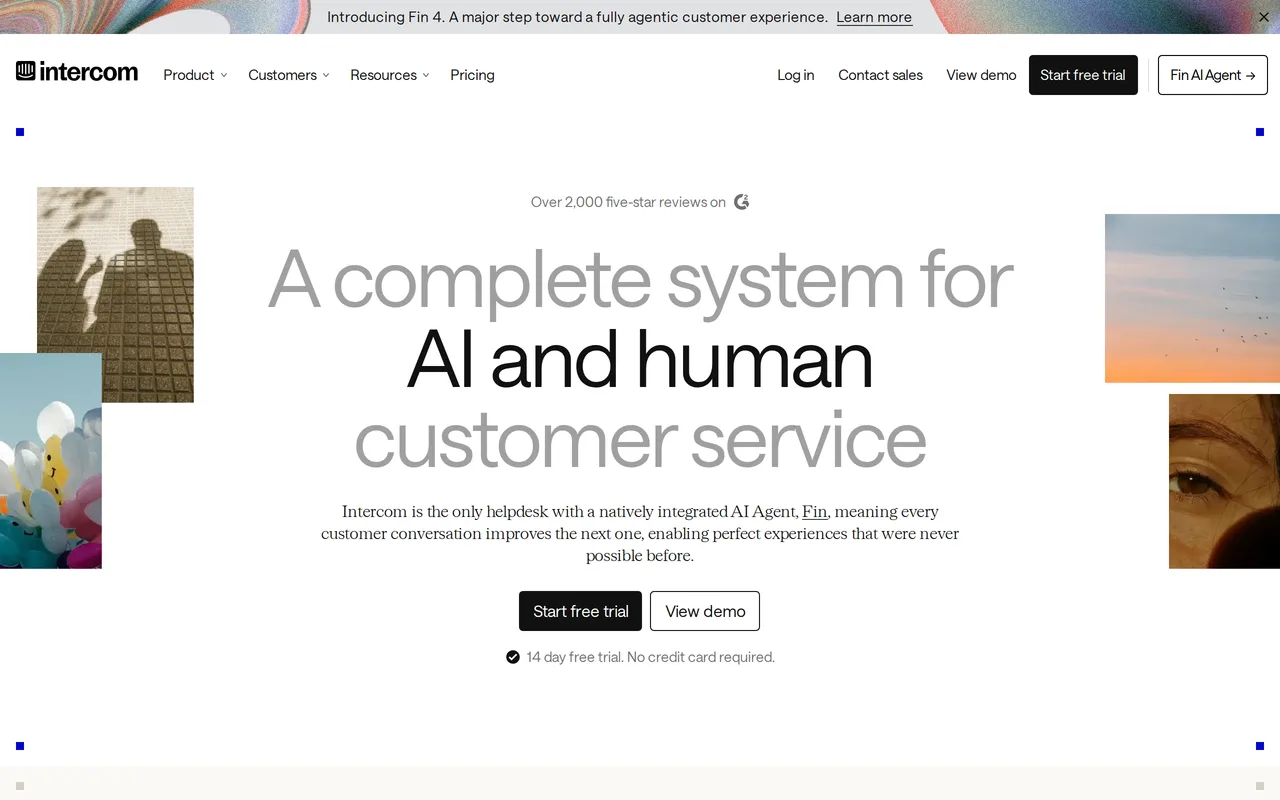
Stonly 记录了 171,488 月访问量,月度环比增长为 -0.6%,定价为定价请咨询。WolframAlpha 记录了 3,101,089 月访问量,增长率为 +5.6%,定价为免费增值。
Stonly 记录了 171,488 月访问量,月度环比增长为 -0.6%,定价为定价请咨询。WolframAlpha 记录了 3,101,089 月访问量,增长率为 +5.6%,定价为免费增值。
WolframAlpha is a computational knowledge engine that answers factual, mathematical, and scientific queries by computing results from curated data and algorithms rather than just searching for them.
| 维度 / 指标 | ||
|---|---|---|
| 官方域名 | stonly.com | wolframalpha.com |
| 定价模式 | 定价请咨询 | 免费增值 |
| 月访问量 | 17.15万 (171,488) | 310.11万 (3,101,089) |
| 月度环比流量变化 | -1026 (-0.6%) | +16.34万 (+5.6%) |
| 主要市场与份额 | 🇺🇸 美国 (41.5%) | 🇺🇸 美国 (37.6%) |
| 直接访问 / 月 | 10.34万 | 148.25万 |
| 用户评分 | 4.3 | 4.7 |
| 支持的平台 | 网站 | 网站 |
让客服回答更快、让自助服务真正有效的互动式知识库
构建按用户回答分支的分步流程,让客户和客服直达符合其情况的具体解决方案,而不是阅读泛泛的文章。
对话机器人基于你可验证的知识回答客户问题;Agent Assist 则总结工单、建议解决路径并起草回复。
原生对接 Zendesk、Salesforce、Freshworks 和 ServiceNow,把指南和 AI 答案放进客服已在使用的工具里。
版本管理、审核流程、定时发布、内容健康、自动翻译、可复用片段、访问权限与页面浏览分析,让大型知识库保持一致。
WolframAlpha is a computational knowledge engine that answers factual, mathematical, and scientific queries by computing results from curated data and algorithms rather than just searching for them.
Enter a question in natural language or via math input and get computed answers with plots, units, and context.
Solve algebra, calculus, differential equations, statistics, and more, with worked solutions on Pro.
Pull facts, conversions, and comparisons across geography, history, money, nutrition, and more.
Auto-generate charts, plots, and visual representations of results.

Google 官方全模态 AI 助手与生态平台 — 全面搭载最新旗舰 Gemini 4 Carbon (Gemini Carbon 4)、Gemini 4 Argon、Gemini 3.8 Flash 与 Gemini 3.1 Pro
Google 官方全模态 AI 助手与生态平台 — 全面搭载最新旗舰 Gemini 4 Carbon (Gemini Carbon 4)、Gemini 4 Argon、Gemini 3.8 Flash 与 Gemini 3.1 Pro
免费 / 开源由 DeepSeek-V4 与 R1 驱动的高效开源权重与托管推理 AI,token 成本极低。

专项更强Semantic Scholar is a free, non-commercial academic search engine built by the Allen Institute for AI (Ai2). It indexes more than 240 million papers from every field of science and uses machine learning to extract meaning from abstracts, citations, figures and tables, so researchers find relevant work faster than with keyword-only search.
专项更强Semantic Scholar is a free, non-commercial academic search engine built by the Allen Institute for AI (Ai2). It indexes more than 240 million papers from every field of science and uses machine learning to extract meaning from abstracts, citations, figures and tables, so researchers find relevant work faster than with keyword-only search.